


Respond to the Ongoing Call for Proposals by the NGO Objectif Sciences International.
Enjoy a simple and lightweight process: an express form (30–60 seconds), with no commitment, followed by a short qualification to frame the core of the project.
- Increase your scientific output by broadening the research spectrum (multi-site, multi-audience)
- Enable knowledge transfer and mobilization through the participatory dimension
- Trigger and obtain additional funding thanks to operational formats of Participatory Research (scientific trips, hackathons, classes, observer networks, data challenges, etc.)

OSI and Participatory Research
1992: Launch of OSI’s first Participatory Research project
2005: Pilot year: all children’s and teenagers’ science trips, school discovery classes, educational travel, and family trips are dedicated to real research and produce scientific results across all fields
2011: Granted Special Consultative Status with the UN (ECOSOC), and start of partnerships with UNESCO, UNEP, UN-Habitat...
2022: Co-Chair of the Selection Committee for the French National Research Agency’s Participatory Research Call for Projects
Why this Call for Proposals?
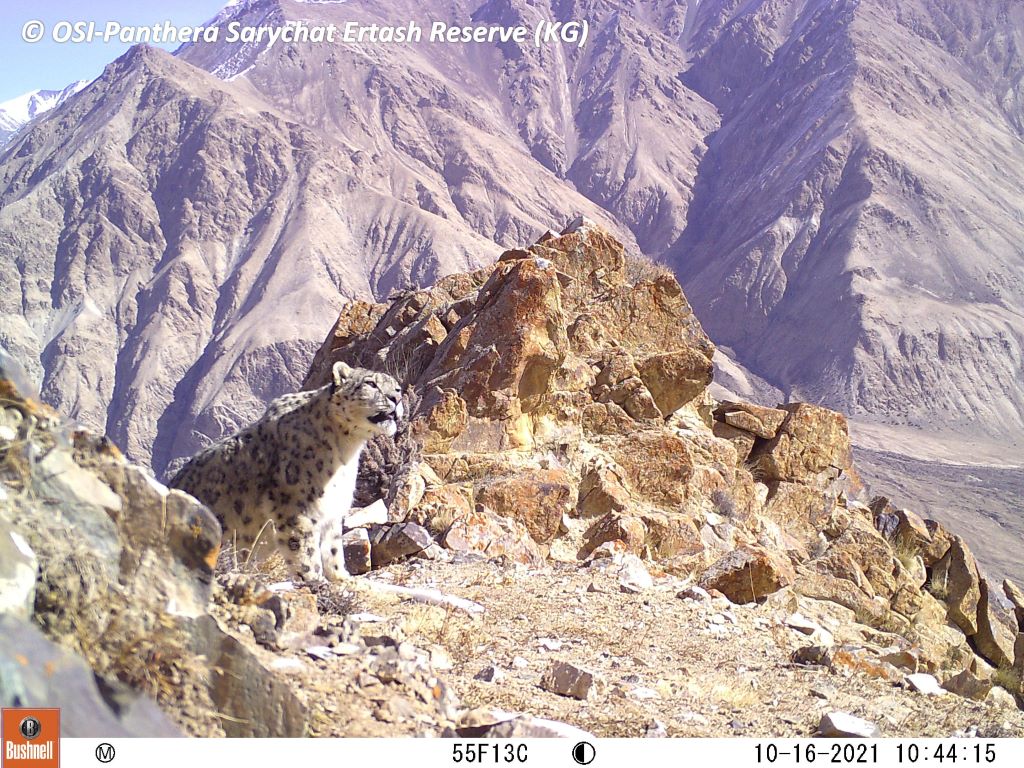
Participatory research enables “more and better,” and “with”: more data, more fieldwork, more perspectives, and results more easily usable by society (public authorities, local governments, associations, companies, educational audiences...). Of course, there are many other benefits from the societal (engagement) and individual (capacity building, discernment, scientific literacy) perspectives as well.
The NGO Objectif Sciences International maintains this page with a Continuous Call for Proposals to help you initiate, shape, and deploy Participatory Research projects that strengthen at once:
- scientific production (multi-site data collection, robust protocols, structured contributions),
- transfer/mobilization of results (from the design stage, not just “at the end”),
- the capacity to fund scientific production (fieldwork, facilitation, dissemination) via operational formats compatible with research.
A lightweight process
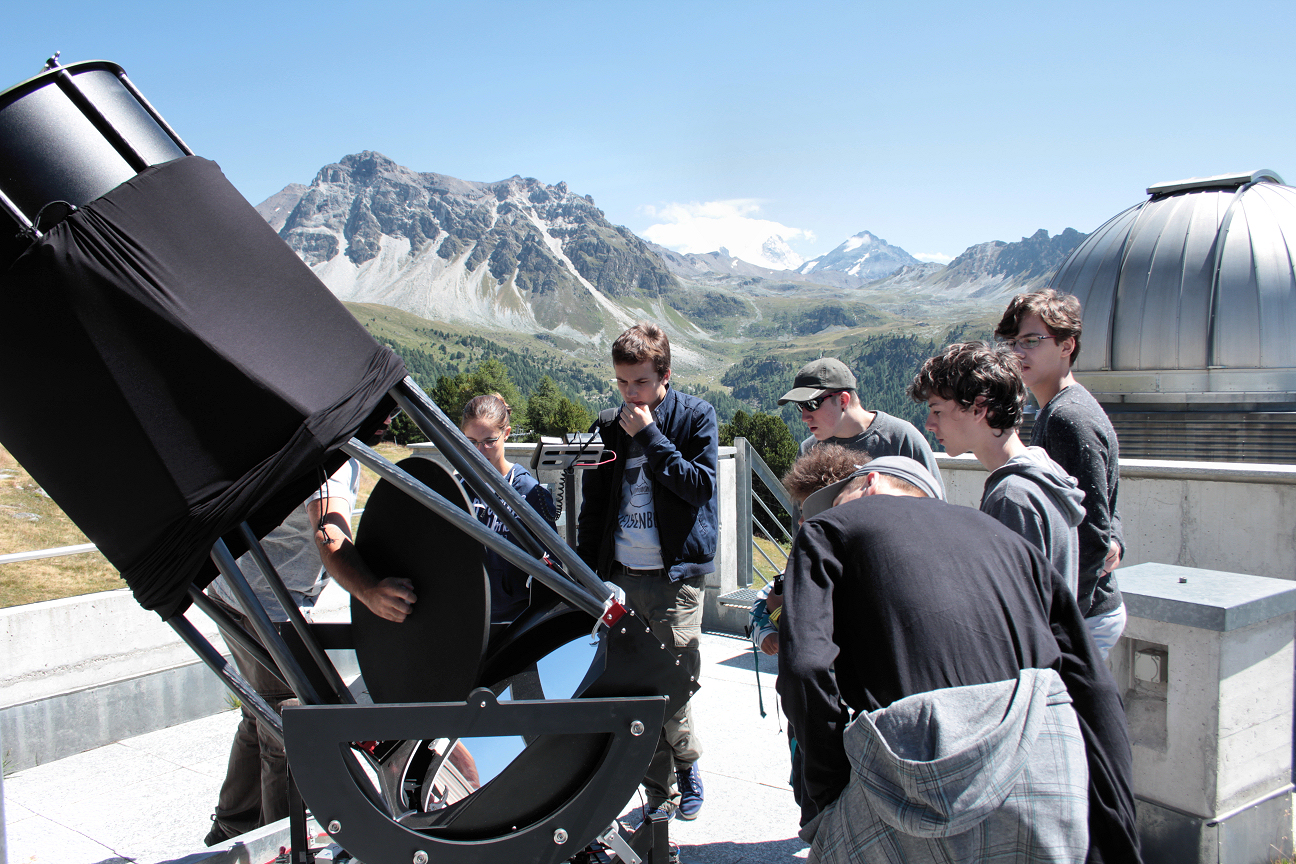
More than 30 years of experience are made available to you, including through an agile and entrepreneurial approach dedicated to designing Participatory Research projects, allowing for a lightweight journey designed to avoid burdening research teams at the proposal stage.
Step 1 — Express submission (30–60 seconds)
You outline the essentials via a short form, no documents to produce, no commitment.
Step 2 — Short qualification
OSI will contact you for a brief exchange to clarify the core of the project: research question, field, type of participation, possible trajectory, constraints, implementation and funding opportunities.
Step 3 — Optional project prototype framing
If interest and alignment are there, a short (video) session is held to turn the idea into an operational prototype (sketch): simple protocol, participation, data quality, format, timeline, dissemination.
Step 4 — Implementation (in chosen format)
Field coordination, followed by scale-up (multi-site / multi-season), publication and dissemination according to your strategy.
What you gain
1) Support for scientific production
- broadened research scope (multi-site, multi-audience, multi-context),
- faster field data collection,
- improved ability to test protocols “under real conditions.”
2) Results mobilization integrated from the start
- transfer, usage, appropriation: considered from the beginning,
- structured dissemination and outreach (scientific + societal),
- recognition and traceability of contributions (participants, partners, territories).
3) Additional funding through implementation formats
Depending on the format, the NGO can provide direct or indirect co-funding:
- participation / training revenues (to fund field costs, logistics, participant facilitation),
- public/private co-funding, sponsors, territorial programs, accessible due to the format chosen for the Participatory Research project,
- foundations / philanthropy, funding one or several project components aligned with their goals,
- dissemination / valorization budgets that complement the scientific core, through various pre-existing mechanisms.
Who can submit a proposal?
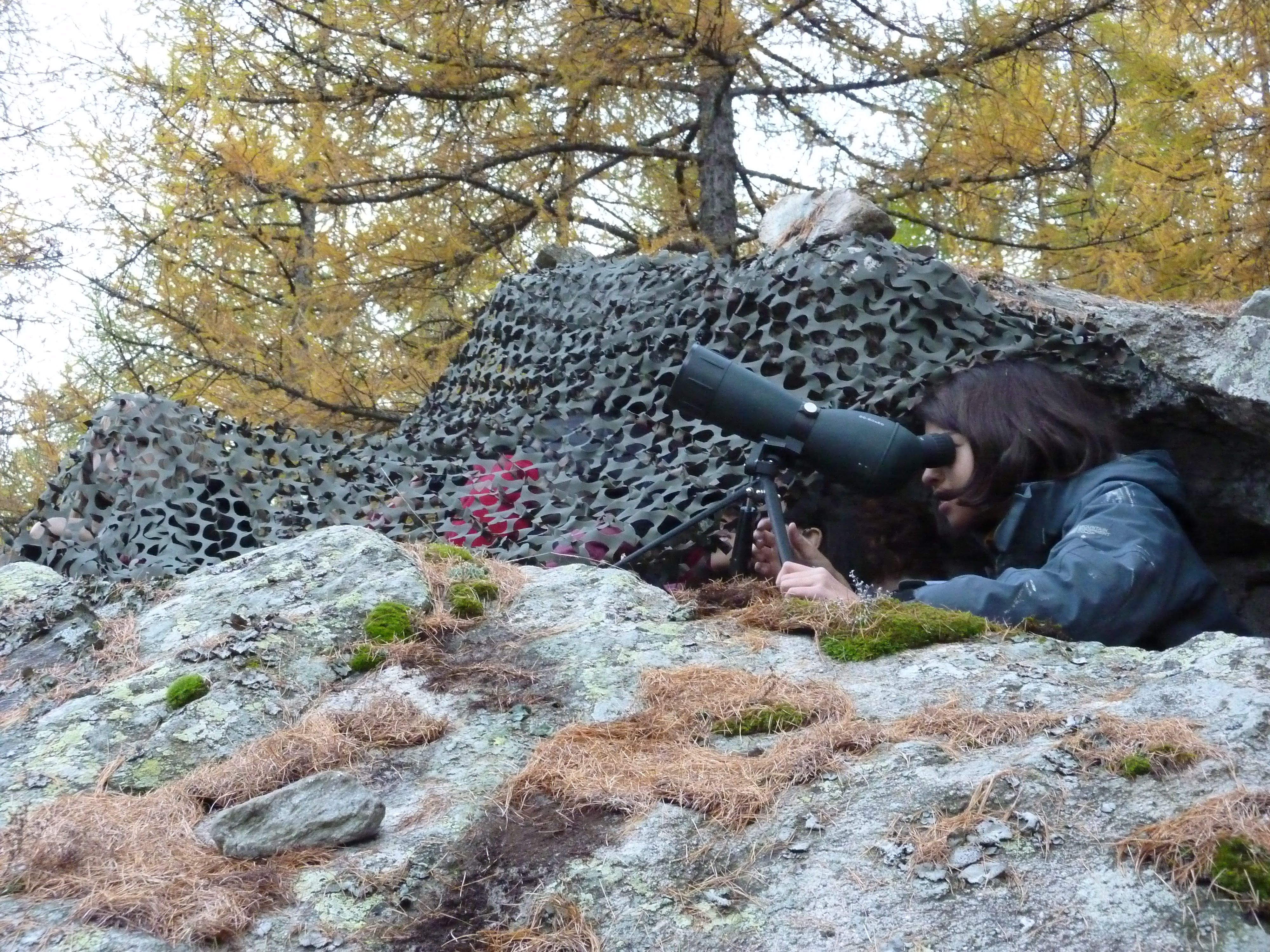
This Call for Proposals is deliberately inclusive: Participatory Research can stem from a scientific question, a local need, an association-driven issue, or a student project — and can then be strengthened with the right partners.
You can submit as:
- Laboratory / University / Research center
- Public authority (municipality, regional entity, natural park, public service…)
- Association / NGO / collective
- Students (master’s work, group, PhD candidates, student association, junior enterprise…)
- Company / startup (if relevant for transfer, implementation, or tools)
- Citizens / field experts (if sponsorship is possible or can be built)
Even without a partner already identified, you can submit: OSI can assist with matching (lab, territory, participant network, dissemination partner, etc.) at various national or international events throughout the year.
What is eligible
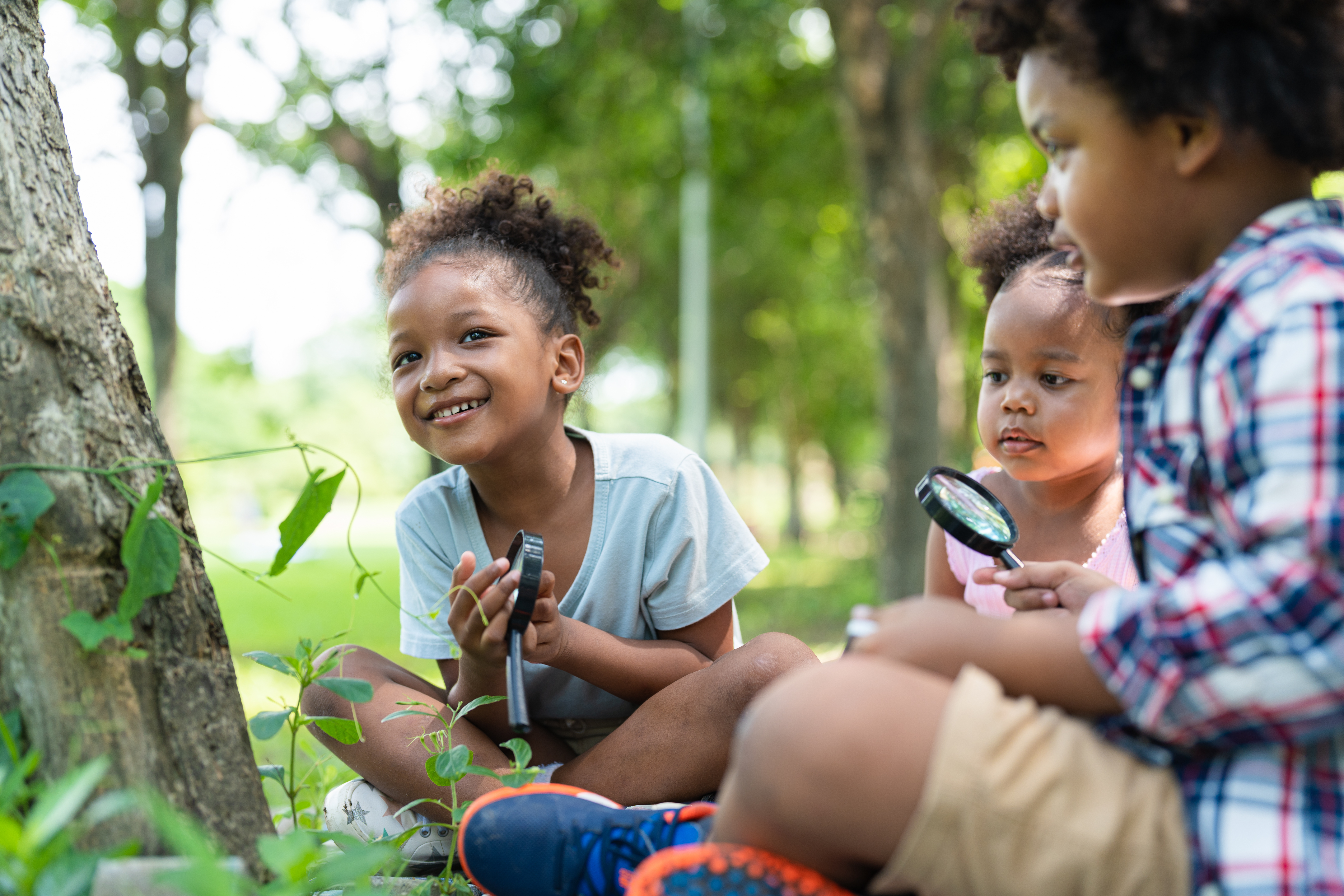
To submit, you simply need:
- a research question or need for knowledge,
- a potential field/community (even broad: a territory, a network, a public, an ecosystem, a sector…).
Proposals are accepted at all levels of maturity:
- idea / intuition,
- already formulated question,
- ongoing project (to scale / amplify / industrialize),
- project ready for “landing” (valorize, disseminate, transfer, sustain).
Types of projects sought
The page welcomes a continuum, from “data collection” to “co-constructed”:
- Participatory Science: public contribution to data collection / observation / interpretation (structured crowdsourcing).
- Participatory Research: co-construction from the outset (question, method, analysis, dissemination) with societal actors.
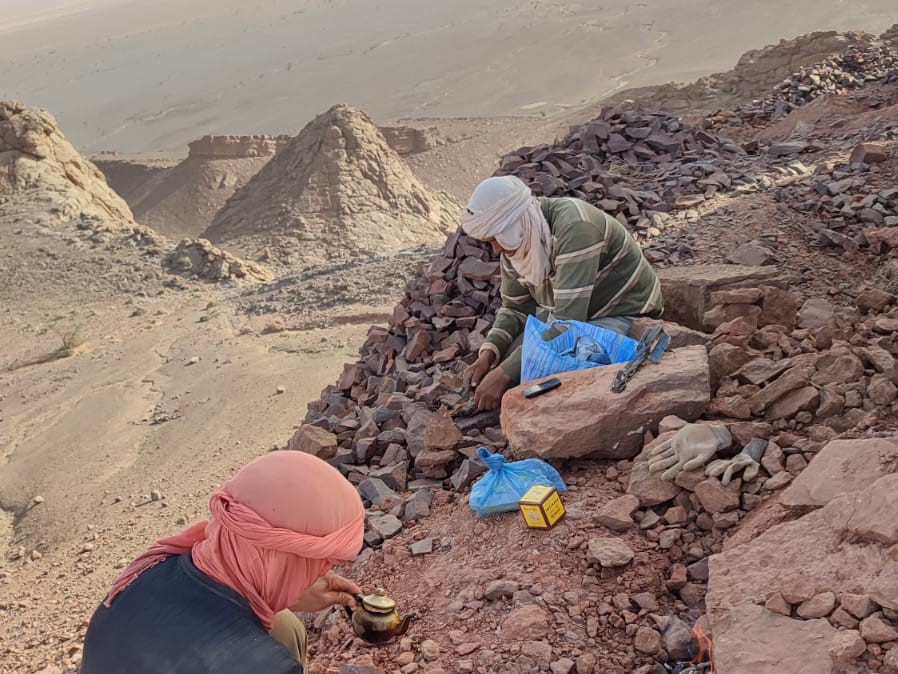
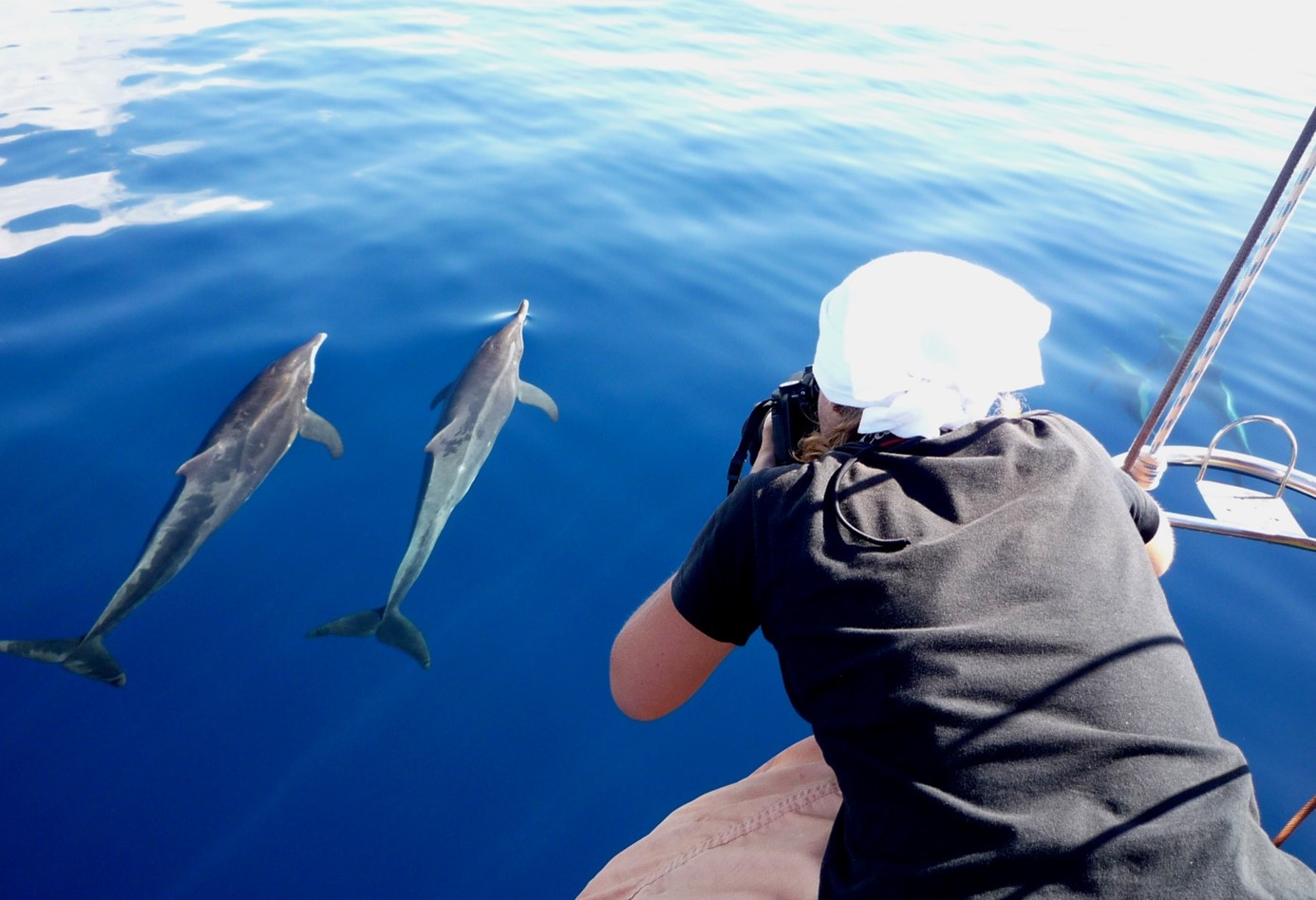
Open themes: all. Technologies, physics, chemistry, electronics, energy, transport, paleontology, archaeology, meteorology, oceanography, environment, health, education, culture, territories, transitions, biodiversity, climate, water, risks, humanities, integrated agriculture, regenerative economy…
Priority to topics where participatory approaches truly scale up speed, geographic diversity, or result mobilization.
And extra credit for projects that can engage the public in fundamental research or in support of sustainable development!
Possible operational formats
OSI has a library of formats compatible with Participatory Research, such as:
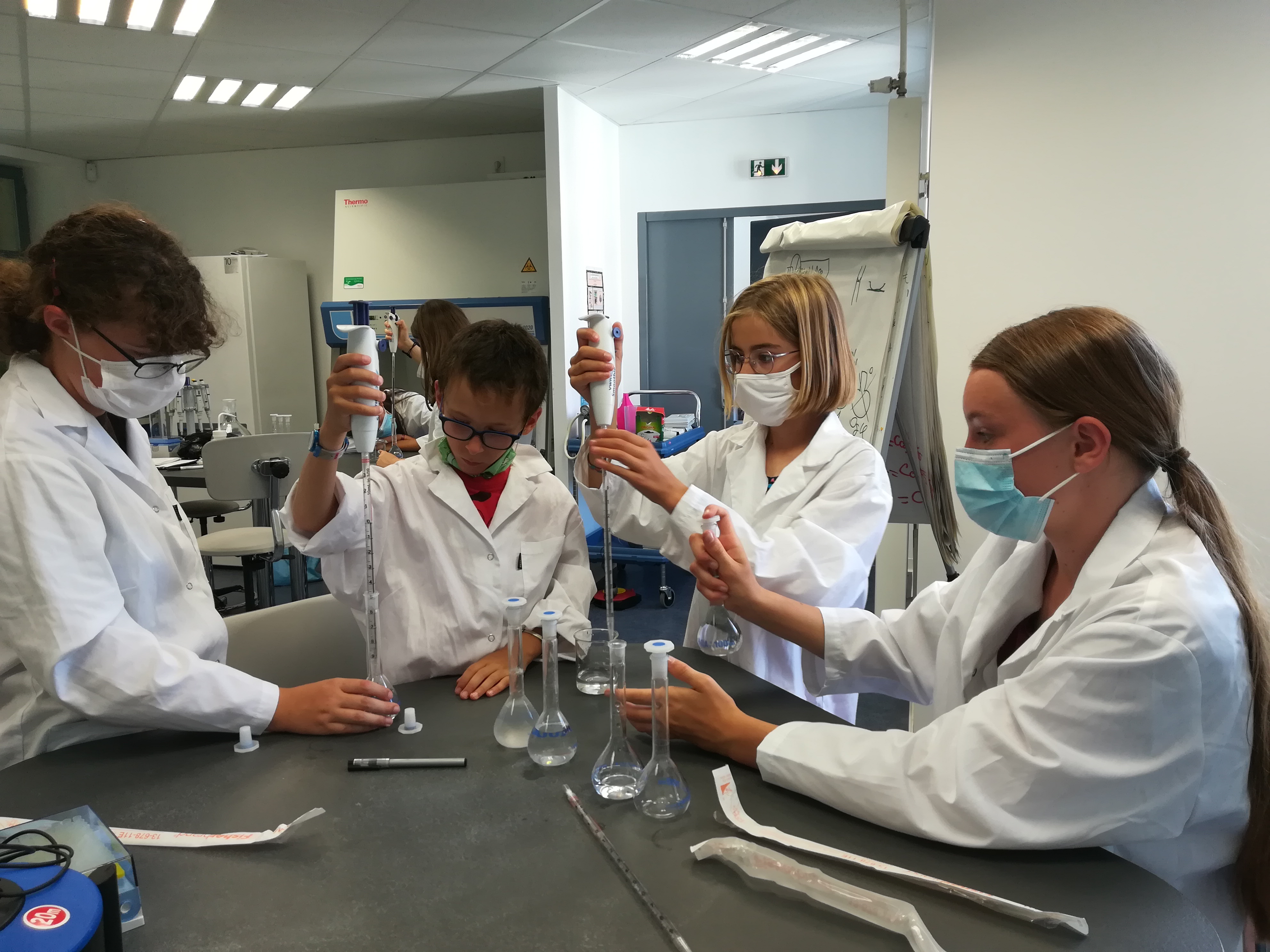
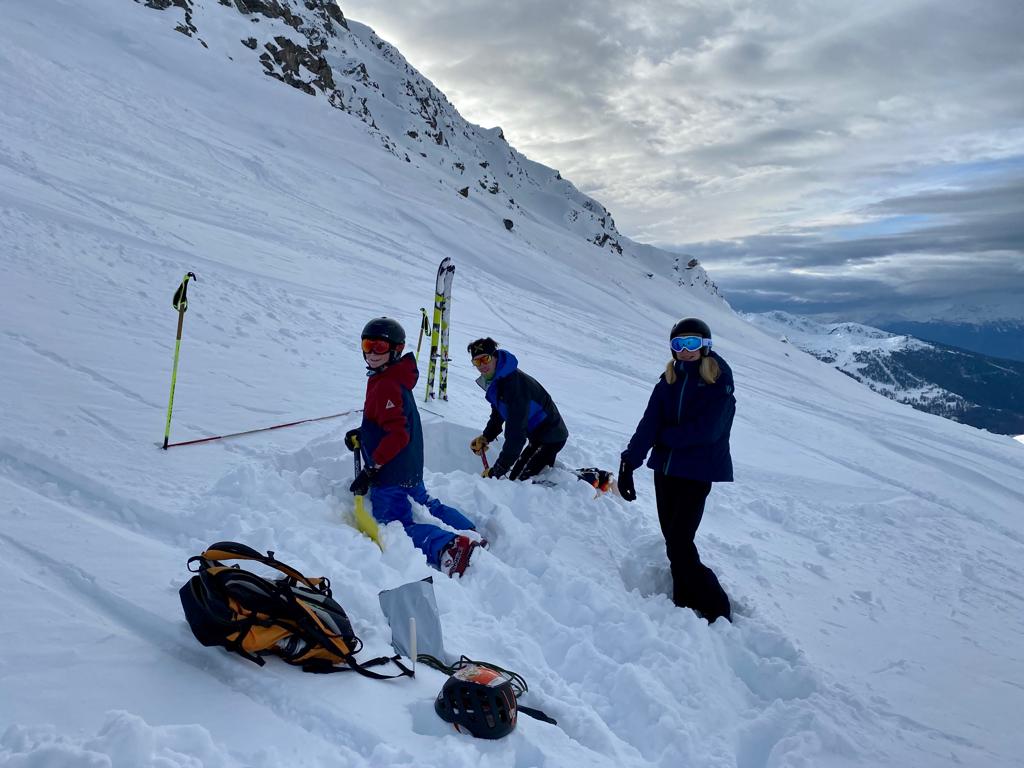
- Scientific trips / scientific expeditions / camps
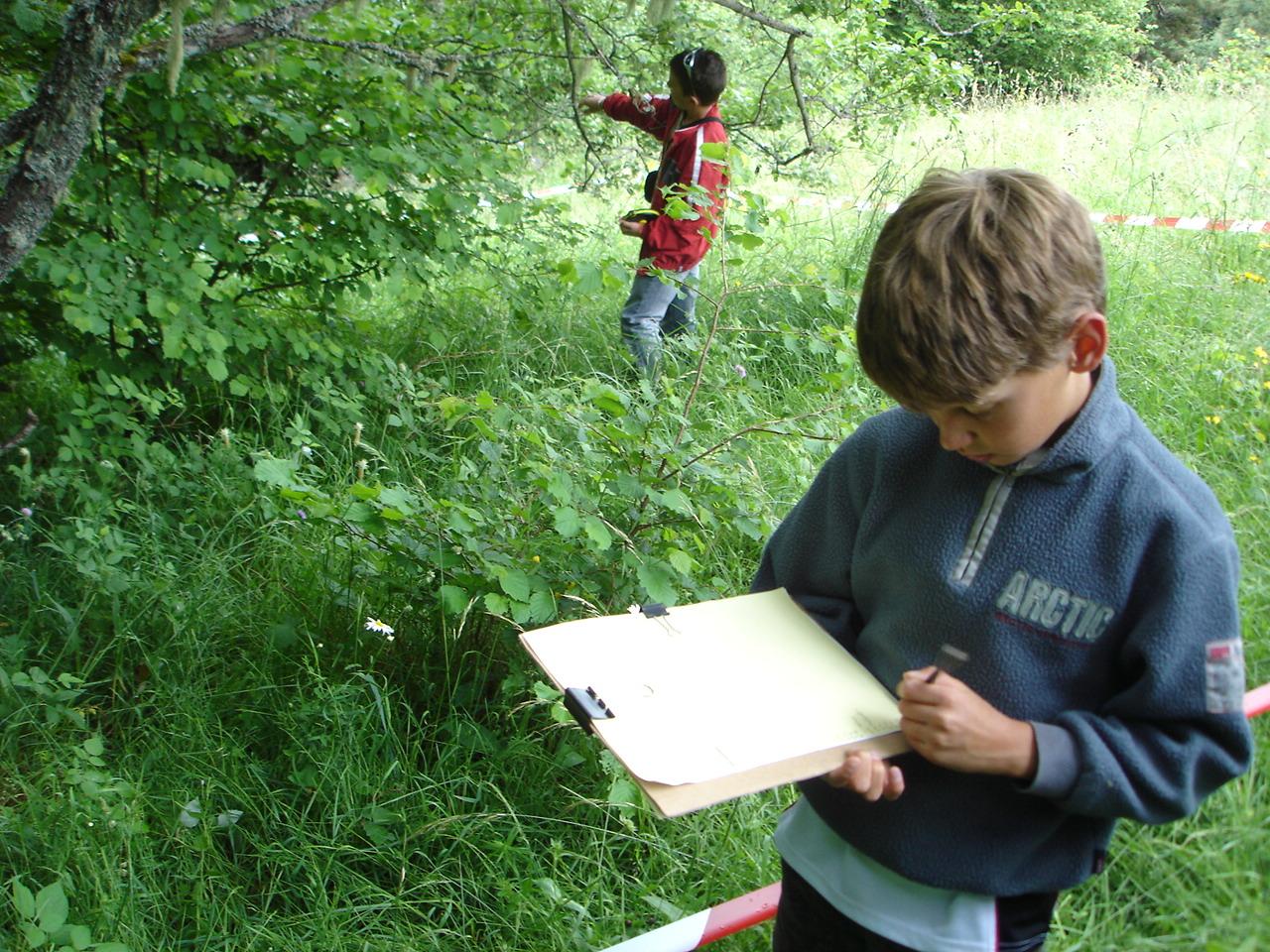
- Discovery classes / school projects
- Hackathons / bootcamps (proto + data + tools)
- Observer networks & multi-site campaigns
- Data challenges / gamification (image analysis, classification, etc.)
These formats are fundable because they allow for mobilizing:
- participation (field / training / supervised experience),
- territorial partnerships,
- public, strategic, international funding,
- support from foundations / philanthropy,
- dissemination and valorization budgets,
while strengthening scientific production.
What Objectif Sciences International provides
Goal: zero unnecessary burden for research teams, and maximum robustness on implementation.
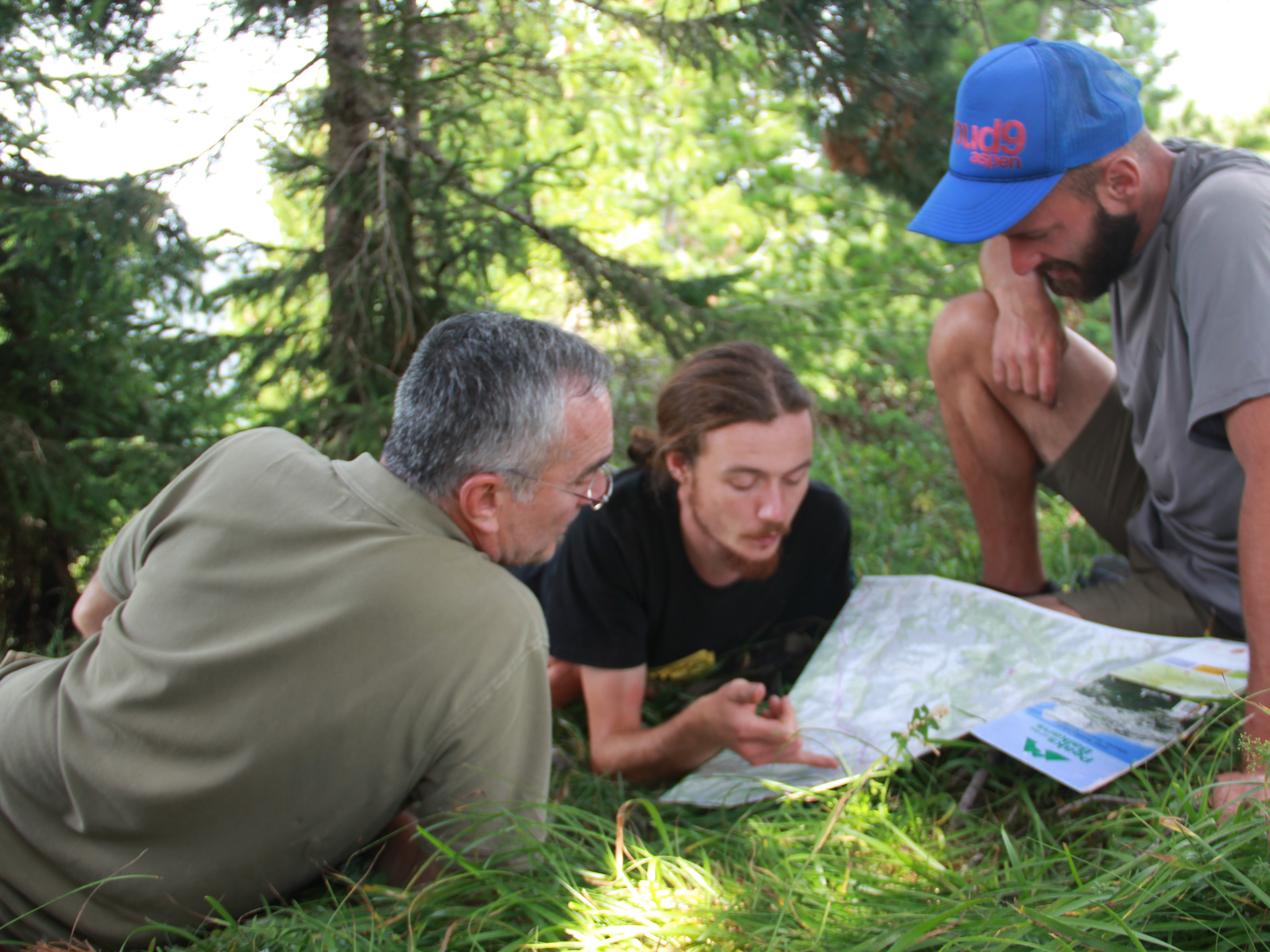
Depending on the project, OSI can provide:
- Participatory engineering: participation design + data quality
- Community engagement: recruitment, engagement, retention
- Logistics & pedagogy: for trips/school/hackathon formats
- Communication & dissemination: science + general public + partners
- Financial planning support: packaging, budgeting, partners, adaptations
- Field deployment: multi-site coordination, tools, operational monitoring
How the project is dimensioned after qualification
After the one-click submission and brief project outline discussion, OSI helps you clarify:
- the scientific core (question, hypothesis, indicators, simple protocol),
- the type of participation (who contributes, how, with what safeguards),
- the format (trip, network, school, hackathon, data challenge…),
- the timeline (season, fieldwork, constraints),
- the trajectory: pilot → scale-up → publication/dissemination → sustainability.
Trusted framework: what you validate and control
The Lightweight Process ensures rigor without burden at the start.
You retain control over:
- principles of transparency and recognition of contributions,
- open science when relevant and possible,
- intellectual property / licensing options (open / hybrid / transfer),
- data and consent management where necessary,
- ethics, safety, scientific integrity standards.
Submit a proposal (30–60 seconds)
No commitment – no heavy documents – fast response for qualification
Minimum information required:
- who you are (category + contact),
- a short title,
- your research question / knowledge need,
- your field / community,
- the type of approach (Participatory Science / Participatory Research / not sure),
- the envisaged format (trip, hackathon, class, network, data challenge…),
- what you are mainly seeking (protocol, participants/sites, lab partner, territory partner, funding, dissemination…).
Submit in 60 seconds
FAQ
If I’m not from a lab, do I need to already have a lab partner?
No. You can submit with just a question and an intended field. OSI can assist with matching.
How long does it really take?
Submission is designed to take less than a minute. The qualification exchange is short (40-minute video call).
What maturity levels are accepted?
From an idea to an ongoing project, or a project ready to be valorized / disseminated / transferred.
Is this compatible with scientific publications?
Yes: the goal is to increase available data, strengthen production, and boost publications for the scientific partner, with contributor recognition included in these additional articles.
What types of funding are possible?
Depending on the chosen Participatory Research format(s), many types of funding can be brought to the project, such as participation/training for field costs, public co-funding, financial instruments, foundations/philanthropy, dissemination/valorization budgets, territorial partnerships.
How are participants/contributors recognized?
Depending on the project: acknowledgments, cited contributions, described roles, traceability, involvement in outreach events, with clear rules established during project framing.
Contact
Any questions before submitting? Write to us: info-un osi-ngo.org
Or submit directly: see the form above
